ICOLSE 2026 Schedule at a Glance
Explore the draft outline for conference sessions, networking events, and technical tours in Charleston.
Sunday, October 4 — Early Check-In
Attendee check-in will be open from 4:00 – 7:00 PM for attendees who would like to pick up materials early and avoid Monday morning lines.
Monday, October 5 — Conference Day 1
| Time | Carolina Ballroom A | Carolina Ballroom B | Poinsette |
|---|---|---|---|
| 7:00 AM | Attendee Check-In | Registration/Help Desk | ||
| 8:00 – 9:00 AM | Breakfast | Colonial Ballroom | ||
| 9:00 – 9:20 AM | Opening Ceremony | Colonial Ballroom | ||
| 9:20 – 10:20 AM | Keynote: Jay Lowell | Colonial Ballroom | ||
| 10:20 – 10:50 AM | Coffee Break & Exhibition | ||
| 10:50 – 11:20 AM | 71. Hybrid Time-Domain Solver for Evaluation of Transient Noise Level Induced on Light Train Harness | 6. A220 Lightning In-Service Experience vs Lightning Zoning | 13. Equivalent Material for Paint Layer Replacement in Lightning Strike Damage Test in Composite |
| 11:20 – 11:50 AM | 72. Field Test Results of a Coating that Reduces Lightning Damage on Wind Turbine Blades | 34. A Robust Simulation Methodology for the Lightning Zoning Assessment of Protrusions on Rotorcraft | 69. Study on Lightning Strike Damage Mechanisms of Thermoplastic Carbon Fiber Composites |
| 11:50 AM – 12:20 PM | 10. Qualifying an Advanced Lightning Protection Laminate for Wind Turbine Blades | 39. An End-to-End Simulation-Based Workflow for Lightning Zoning | 70. Three-Dimensional Multi-Physics Simulations of Direct Lightning Damage to Anisotropic Composites |
| 12:20 – 1:30 PM | Lunch | Colonial Ballroom | ||
| 1:30 – 2:00 PM | 42. Study on the Lightning Attachments for Large-scale Floating Vertical Axis Wind Turbines Based on Initial Leader Attached Test | 67. Experimental Study on Aircraft Lightning Zoning Under Extremely High Voltage | 73. Space Weather Risk Assessment and Threat Reduction Techniques |
| 2:00 – 2:30 PM | 45. Wind Turbines Electric Field Modeling for Lightning Attachment Study | Workshop: Fuel Tank Explosion Prevention / Fuel System Lightning Protection Regulations and Compliance with Instructor Massoud Sadeghi 2:00 – 3:00 PM | |
| 2:30 – 3:00 PM | 12. Spatiotemporal Characteristics of Lightning Activity in a High-Convection Tropical Region: Multi-Year Analysis over Western Java, Indonesia | ||
| 3:00 – 3:30 PM | Coffee Break & Exhibition | ||
| 3:30 – 4:30 PM | Round Table: Industry Standards and Updates | Round Table: Vision for Future Testing and Simulations | |
| 5:30 – 8:00 PM | Welcome Reception | Colonial Ballroom | ||
Tuesday, October 6 — Conference Day 2
| Time | Carolina Ballroom A | Carolina Ballroom B | Poinsette |
|---|---|---|---|
| 8:00 – 9:00 AM | Breakfast | Colonial Ballroom | ||
| 9:00 – 10:00 AM | Keynote: Richard Olson | Colonial Ballroom | ||
| 10:00 – 10:30 AM | 15. An Improved Method to Identify Lightning Strikes to Tall Objects Using a Novel Autoencoder-based Signal Modeling | 28. Dielectric Breakdown Risk Assessment from Swept Leader Attachment Simulation | 46. Lightning Current Parameters of Subsequent Return Strokes Measured with the Lightning Key Data Systems in Wind Turbines |
| 10:30 – 11:00 AM | 57. Evaluating Leader Progression Model Performance Across Multiple Transmission Networks Under Incomplete Observation of Lightning Attachments | 4. Inside Draft IEEE Standard 2838 Aerospace Components Direct Effects Lightning Qualification Standard | 47. Construction of a Lightning Failure Diagnosis Flow for Automobiles |
| 11:00 – 11:30 AM | Coffee Break & Exhibition | ||
| 11:30 AM – 12:00 PM | 68. Experimental Study on Protection Range of Lightning Rods with Long Gap Discharge | 31. Considerations for Peak Rate of Change using Waveform Norm Reduction from SAE ARP5415B | 59. Simulation-Based Optimization of Material Use and Personnel Safety in LPS Design |
| 12:00 – 12:30 PM | 5. Evaluation of Triggered-Lightning Safe Distance of a UAM Vehicle Based on Simplified Electrostatic Models | 33. Guide for Certification of Aircraft Electrical/Electronic Systems for the Effects of Lightning – SAE ARP5415C Changes and Map to AC 20-136C | 76. Flight Test Instrumentation and Data Analysis for Separating Triboelectric and Exogenous Charging in Severe Precipitation Static Environments |
| 12:30 – 1:30 PM | Lunch | Colonial Ballroom | ||
| 1:30 – 2:00 PM | 21. Lightning Environment Reassessment for eVTOLs | 14. Ignition Potential of Edge Glow Based on the Signature of Detected Light | 61. In-Flight Characterization of Aircraft P-static Charging |
| 2:00 – 2:30 PM | 24. Lightning Environment for Operation of eVTOLs Vehicles | 18. Linking Contact Resistance Variability to Sensitivity in Lightning Performance Prediction | 3. Personal Protective Lightning Equipment: A Wearable Garment to Reduce Lightning Induced Death and Morbidity |
| 2:30 – 3:00 PM | Sponsor Showcase | Colonial Ballroom | ||
| 3:00 – 3:30 PM | Coffee Break & Exhibition | ||
| 3:30 – 4:00 PM | 50. Modernizing Lightning Qualification Through an AI-Enabled Digital Thread | 35. Collaborative Lightning Research: The Role of Pre-Test Simulation Results in Validation Activities Associated with a CFRP Aircraft Wing Environment Definition | |
| 4:00 – 4:30 PM | 63. RF Protection of Transport Category Airplane Fuel Tanks | 44. Conductivity-Based Analytical Method for Lightning Direct Effects Test Article Design to Characterize Finite Width Effects | |
| 5:30 – 5:45 PM | Gather in Colonial Ballroom | ||
| 5:45 – 6:15 PM | Board Buses for Gala Dinner | ||
| 6:30 – 7:00 PM | Board the Spirit of the Carolina | ||
| 7:00 – 9:30 PM | Gala Dinner aboard the Spirit of the Carolina | ||
| 9:30 – 9:45 PM | Deboard the Spirit of the Carolina and Board Buses | ||
| 10:00 PM | Arrive at Francis Marion Hotel | ||
Wednesday, October 7 — Conference Day 3
| Time | Carolina Ballroom A | Carolina Ballroom B | Poinsette |
|---|---|---|---|
| 8:00 – 9:00 AM | Breakfast | Colonial Ballroom | ||
| 9:00 – 10:00 AM | Keynote: Nick Christensen | Colonial Ballroom | ||
| 10:00 – 10:30 AM | 48. Optical Analysis of Edge Glow Discharge Emission in CFRP Aircraft Structures | 32. Three-Dimensional Reconstruction and BOS Characterization of Long Arcs in Swept Stroke Phase | 23. Machine Learning Models for Lightning Analysis of a Wing Box with an Aperture |
| 10:30 – 11:00 AM | 54. Exploding-Wire Screening of Polysulfide Fuel-Tank Sealants After Prolonged Soak in Sustainable Aviation Fuel | 1. A Moving-Aperture (E-field Topology Driven) Method for Laboratory Simulation of Swept-Stroke Lightning Attachment | 37. Model Validation for Aircraft Lightning Indirect Effects through Element-Level Testing |
| 11:00 – 11:30 AM | Coffee Break & Exhibition | ||
| 11:30 AM – 12:00 PM | 64. Experimental Investigation of Spark Discharges in Aircraft-Relevant Configurations | 62. GPU-Accelerated Multiphysics Modeling of Electrical Arc Dynamics | 22. Investigation of Lightning Indirect Effects on a Composite Aircraft Fuselage Segment |
| 12:00 – 12:30 PM | 17. Lightning Strike Damage in AA6061-T6: Two Distinct Mechanisms Across Aircraft Lightning Zones | 38. Zoning Test for Manned Drones and Lightning Protection Regulations | 65. Modeling of Lightning Indirect Effects on Aircraft Empennage and Impact Analysis of Contact Resistance Variability |
| 12:30 – 1:30 PM | Lunch | Colonial Ballroom | ||
| 1:30 – 2:00 PM | 49. Mechanical Damage to Metallic Panels Under Strong Impulse Current | 75. Guidance for Powered-Lift Electric Propulsion System Lightning Hazard Assessments | 30. Numerical Modeling of Induced Transients on Aircraft Wiring with a Hybrid FDTD/MTLN Approach: Application to Falcon Full-Scale Aircraft |
| 2:00 – 2:30 PM | 56. Lightning Components A/D vs Components B/C/C* as Design Drivers in Typical Fastener Interfaces in Metallic Fuel Tank Structure | 74. External Lightning Environment Considerations for eVTOL Aircraft | |
| 2:30 – 3:00 PM | Coffee Break & Exhibition | ||
| 3:00 – 4:00 PM | Closing Ceremony | ||
Thursday, October 8 — Boeing Facility Tour
Morning: Transportation to Boeing Charleston facility, Boeing Facility Tours
Join us for an exclusive tour of Boeing South Carolina’s 787 factory near the Charleston airport, where you’ll get an up-close look at the flight line and witness the incredible assembly of the Boeing Dreamliner. Then, hop on the provided bus to the Boeing South Carolina Technology Center’s Lightning Lab, just 20-30 minutes away, to see firsthand how the Technology Innovation Electromagnetic Effects team conducts cutting-edge lightning tests. Registration is capped at 100 attendees—don’t miss this unique opportunity!
| Time | Boeing | South Carolina | ||
|---|---|---|---|
| 7:30 – 7:45 AM | Gather in Hotel Lobby (Luggage Dropoff in Colonial Ballroom) | ||
| 7:45 – 8:00 AM | Board Buses for Tours | ||
| 8:00 AM – 1:15 PM | Boeing Tours: 787 Factory & Lightning Lab | ||
Schedule is subject to refinement as speakers and details are finalized.
Presentation Topics
Explore the technical session themes planned for ICOLSE 2026.
Lightning Effects on Materials and Structures
- Composite Material Damage and Behavior
- Electrical & Ignition Phenomena in Materials
- Metallic Material Damage and Behavior
Lightning Environment and Zoning
- Arcing Behavior
- Ground-Based Observation
- eVTOL Environment
- In-Flight Characterization
- Lightning Zoning
Other
- Wind Turbines, Trains, and Automobiles
- Systems and Lightning Indirect Effects
- Standards, Regulations and Certification
KEYNOTE SPEAKERS
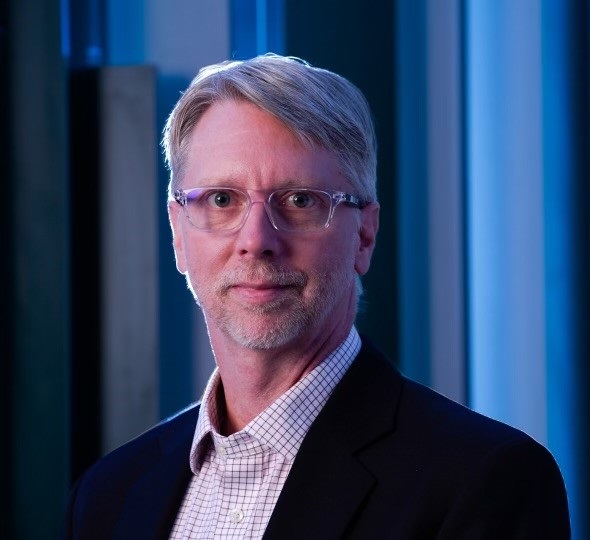
Jay Lowell
Jay Lowell is a Principal Senior Technical Fellow and the chief engineer of Boeing’s Disruptive Computing, Networks & Sensors team, where he leads the company’s quantum technology research and development strategy. He is an internationally recognized expert in systems engineering for quantum, electromagnetic, and electro-optic systems, and has served as a Boeing Principal Senior Technical Fellow since 2018. Since joining Boeing in 2012, he has contributed to research in electromagnetic effects and automated production systems. Prior to Boeing, he held leadership and research roles at DARPA, served on U.S. Air Force scientific advisory board studies, and was an assistant professor of physics at the U.S. Air Force Academy.
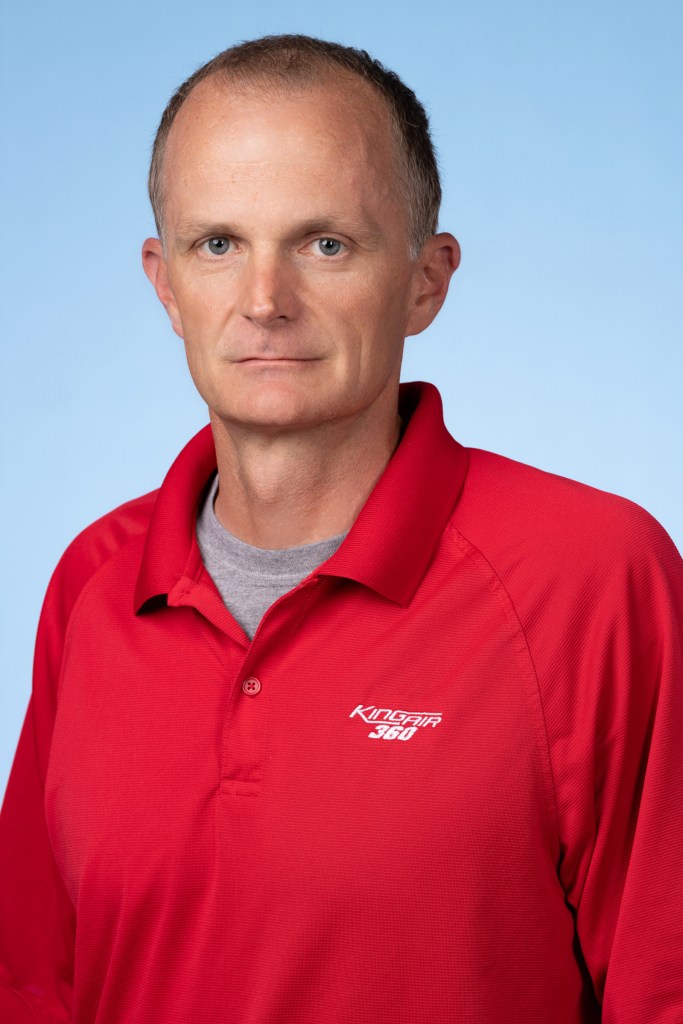
Richard Olson
Richard is an electromagnetic effects engineer at Textron Aviation, with previous experience at Beechcraft, Learjet, and Bombardier. He has worked on Part 23 and Part 25 programs, including composite airframes, general aviation commercial airplanes, and special missions and defense programs, while focusing on all aspects of electromagnetic effects. He recently started serving as the SAE AE-2 Lightning Committee chair, and has enjoyed collaborating with industry experts.
Paper Title: Process is the Means, Not the Ends: A New IEL (and HIRF) Rule Proposal
Summary: Electrical/electronic system lightning and HIRF protection centers around a safety assessment process to identify applicable systems and apply commensurate testing and/or analysis to those systems and the aircraft. While the overall process incentivizes good design, some aspects of the HIRF/lightning safety assessment process may be overly complicated and ambiguous, distracting from the design. Conversations within the industry for more than a decade attributed much of the ambiguity to the wording in the HIRF/lightning regulations. This presentation continues this already existing conversation by proposing a change to the electrical/electronic system lightning and HIRF protection regulations.
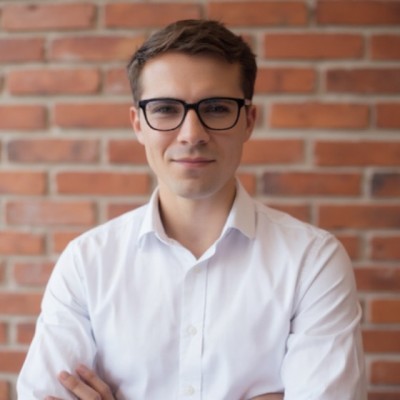
Nick Christensen
Nick Christensen is a Lead Electromagnetic Effects Engineer at SpaceX, where he drives lightning and plasma interaction efforts across the company’s vehicle portfolio. His work spans lightning direct effects testing, spacecraft plasma interactions, and arc qualification testing for Starship, Starlink, Falcon, and Dragon. With experience bridging traditional lightning protection and the unique electromagnetic challenges of commercial spaceflight, Nick brings a distinctive perspective to the field as the industry continues to push the boundaries of aerospace certification.
Round Table Q&A — Submit Your Questions in Advance
ICOLSE 2026 attendees are invited to submit questions they’d like our panelists to address during the round table session. Whether it’s a technical question, an industry challenge, or a topic you’d like the experts to weigh in on, we want your input to help shape the conversation.
Please use the form below to submit your question(s). Submissions will be reviewed and, where possible, incorporated into the round table discussion. https://forms.gle/SX1Y3JC2um4pdAgx6

